

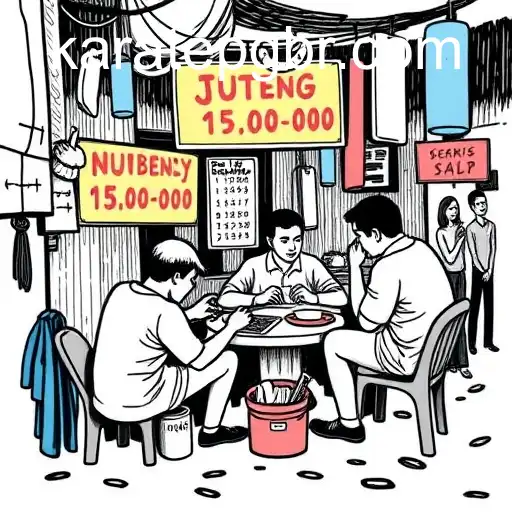

Jueteng is a form of illegal lottery popular in some regions of the Philippines. Often perceived merely as a numbers game, its implications stretch beyond the simple act of gambling. It reflects societal issues, including poverty, governance, and the intricate balance of power between public policy and underground economies.
At its core, jueteng is a numbers-based betting game. Players select a combination of numbers typically from 1 to 37, and bets are placed on the selected numbers. The winning combination is picked randomly, and those who placed bets on the winning numbers receive a payout. The game itself is simple, but the structures that support its operation are complex and widespread.
The allure of jueteng is deeply rooted in cultural and economic factors. Economically, jueteng presents itself as an opportunity for fast money, particularly attractive to those in impoverished communities. With limited access to legitimate means of financial improvement, many turn to this illegal numbers game as a potential windfall.
Socially, jueteng is more than a game; it's a cultural phenomenon. In sprawling urban communities and distant rural areas alike, jueteng provides a sense of community and excitement. People gather for the thrill of gameplay, and it acts as a social adhesive in places where entertainment options may be sparse.
The Role of Jueteng in the Local Economy
Jueteng generates significant amounts of unregulated money, some of which trickles back into local economies. The operation usually employs a network of collectors, kubradors, who gather bets from players and are key to the game's grassroots reach. These jobs, though informal, provide income to many. In some localities, jueteng money indirectly supports local businesses and can be seen as an economic stimulant in areas with few alternative employment opportunities.
Despite being illegal, jueteng flourishes, in part because of its complicated relationship with political power structures. There are allegations and instances of local officials turning a blind eye to its operations due to the political benefits they receive. Regular payouts to local leaders and law enforcement create a mutually beneficial arrangement for those involved, ensuring the continued existence of this underground pastime.
Corruption within government and law enforcement agencies is a significant barrier to the eradication of jueteng. Efforts to shut down operations are often thwarted by those who profit from its existence, which presents a formidable challenge to those genuinely seeking reform.
Jueteng and Legalization Debates
Debates over whether to legalize jueteng consistently resurface, with arguments both for and against. Proponents argue that legalization could bring about regulation, thereby reducing corruption and generating tax revenue. Furthermore, it could provide better oversight and offer protection to the players and operators alike.
Conversely, opponents argue that legalization might encourage gambling addiction and exploit the economically vulnerable by normalizing gambling practices. There’s also the fear that legal jueteng could legitimate a culture of gambling that is already pervasive.
External socio-economic factors significantly affect the prevalence of jueteng. Economic downturns, limited job opportunities, and inadequate social services often force individuals to seek alternative means of income and hope, and as a result, jueteng becomes more appealing. Policymakers need to address these root issues to lessen people's dependence on such illegal practices.
Efforts to Combat Jueteng
Efforts to combat jueteng have varied over the years, ranging from outright bans and police crackdowns to educational campaigns aiming to reduce demand by highlighting the risks involved. However, these efforts frequently encounter resistance due to the deep entrenchment of jueteng within local cultures and economies.
Some regions have tried implementing alternative forms of legalized gambling, hoping to channel and control the gambling impulse in a safer, regulated environment. However, such initiatives require robust legal frameworks and enforcement capacities, which are not always present.
The future of jueteng is uncertain. While it provides immediate economic relief for some, its long-term societal costs are significant. Understanding the intricate realities and the differing perspectives on jueteng is crucial for developing effective strategies to address its challenges.
Empowering communities through education and economic development remains a sustainable solution, yet it involves long-term commitment and policy consistency. As jueteng continues to thrive, this complex issue invites further examination and innovative solutions from all sectors of society.
In analyzing the jueteng phenomenon, it's evident that the interplay between economic need, cultural influences, and political dynamics creates an intricate tapestry that's not easily unraveled. Only through comprehensive understanding and collaborative effort can policymakers hope to address the entrenched issues that sustain its existence.

Dive into the world of PirateQueen, an enthralling blend of martial arts strategy and nautical adventure, capturing imaginations worldwide.

Immerse yourself in the captivating universe of HappyEaster, a unique blend of traditional Easter festivities and the art of karate, offering a thrilling gameplay experience.

Unveil the enchanting world of FaCaiShenM, a unique game that combines elements of Chinese mythology and martial arts into a thrilling experience.

Discover the world of CoinSpinner, a skill-based game combining traditional coin flipping with strategic gameplay, attracting players worldwide.

Discover the captivating world of Curse of the Pharaoh, a thrilling game that combines ancient enigmas with martial arts mastery. Uncover its rules and immerse yourself in this engaging experience.

Dive into the captivating gameplay of RoyalFlash with a focus on its exciting KaratePG variant. Discover the rules, strategies, and immerge yourself in this exhilarating experience.
